

Eyeglasses do not have an expiration date, but prescriptions and lenses do change over time. Regular eye examinations ensure your prescription matches your visual needs. Although the physical spectacles themselves won’t suddenly stop working, doctors put expiration dates on prescriptions—typically one to two years—because your eyes gradually change. Wearing an outdated prescription forces your eye muscles to work harder, which can lead to fatigue, squinting, and chronic discomfort.
Changes in vision, scratched lenses, loose frames, headaches, or blurred vision are clear signs that you should have your eyes examined. While adults should replace lenses whenever their prescription changes, children often require prescription updates more frequently because their eyes continue developing. Even if you feel your vision hasn’t shifted, subtle changes can occur so slowly that you might not notice your sight has deteriorated until you try on a new, correct prescription.
Beyond the prescription itself, the physical materials of your glasses inevitably wear down. Advanced lens treatments, such as anti-reflective, scratch-resistant, or ultraviolet-blocking coatings, degrade after years of exposure to sunlight, daily cleaning, and environmental factors. Once these protective layers begin to peel, smudge easily, or develop a web of tiny cracks, they can scatter light and actually impair your clarity of vision, even if the underlying glass or plastic lens is technically the correct strength.
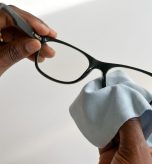
Proper maintenance keeps your glasses in top shape and extends their lifespan. Always clean your lenses with a microfiber cloth and specialized lens cleaning solution instead of tissue paper, shirts, or paper towels, which contain abrasive wood fibers that create microscopic scratches over time. When they are not in use, store your spectacles in a protective hard case to prevent accidental drops or crushing. High-quality frames can last for years with proper care, but if your frames do become bent, warped, or loose, they should be repaired or replaced promptly. Out-of-alignment frames cause the lenses to sit at the wrong angle, which can induce dizziness and distort your field of view.