

Routine eye examinations are important for everyone. Children should have their eyes checked before school and as advised by an eye care professional to ensure their visual development is on track, as undetected vision issues can severely hinder learning and coordination. Healthy adults between eighteen and sixty years old often benefit from examinations every one to two years to maintain optimal vision. Even if you think your vision is perfect, subtle changes can occur so gradually that you might not realise your sight has degraded until you sit in the exam chair.
As we age, our eyes require closer attention; therefore, adults over sixty should have annual eye examinations. Furthermore, people living with diabetes, glaucoma, hypertension, or a strong family history of eye disease often require more frequent reviews. High blood pressure and diabetes can damage the delicate blood vessels in your retina, making your optometrist or ophthalmologist a crucial partner in your overall systemic healthcare team.
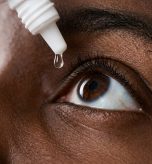
Many people mistake a basic vision screening for a comprehensive eye exam. While a quick reading chart test measures how well you see from a distance, a thorough examination evaluates the actual physical health of the eye. This includes checking your intraocular pressure to screen for glaucoma, evaluating how well your eye muscles work together, and often dilating your pupils. Dilating the pupils allows the specialist to get a clear, wide-angle view of the back of your eye, inspecting the retina, blood vessels, and optic nerve for early signs of disease.
It is important to remember that eye examinations do more than simply measure your vision or determine if you need glasses. They detect serious, “silent” conditions such as glaucoma, cataracts, diabetic retinopathy, and macular degeneration long before any noticeable symptoms appear. Because many of these conditions do not cause pain in their early stages, you could lose a significant portion of your vision before realizing there is a problem. Ultimately, early detection and prompt treatment are the absolute best ways to reduce the risk of permanent vision loss and preserve your quality of life.