

Eyes do not become permanently damaged from reading in dim light, although it may cause temporary strain. Similarly, while carrots support eye health because of vitamin A, they do not give people perfect vision. Wearing glasses does not weaken the eyes either; a prescription simply helps you see clearly.
Furthermore, sitting close to a television is not proven to damage healthy eyes, though children who do so often should still have an eye examination because it might indicate an uncorrected vision problem. Finally, eye twitching is usually linked to stress, fatigue, or caffeine rather than a serious disease.
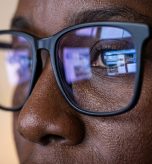
In our modern digital age, screen time has sparked a new wave of eye concerns. Many fear that looking at smartphones and computers all day will permanently destroy their eyesight. While it won’t cause permanent damage, it frequently leads to digital eye strain.
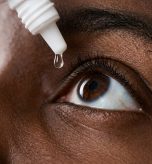
To combat this dry, irritated feeling, eye care specialists recommend practicing the 20-20-20 rule: every 20 minutes, look at something at least 20 feet away for at least 20 seconds. This simple habit allows your eye muscles to relax and encourages blinking, which naturally lubricates the eye’s surface.
Another common point of confusion is the rise of blue-light-blocking glasses. Despite heavy marketing claiming they prevent retinal damage, clinical studies have shown little evidence that blue light from screens harms our eyes, or that these glasses truly prevent eye fatigue. Instead, the real culprit is simply staring at screens without blinking.
Additionally, proper contact lens hygiene is paramount but often ignored. Sleeping in contact lenses or exposing them to tap water significantly increases the risk of severe, sight-threatening corneal infections. Always use sterile solutions and stick strictly to prescribed wearing schedules.
We often remember sunscreen for our skin but forget that our eyes need protection too. Overexposure to ultraviolet (UV) radiation from the sun can accelerate the development of cataracts and macular degeneration. When choosing sunglasses, make sure they offer 100% UVA and UVB protection; dark or polarised lenses do not automatically guarantee UV blockage unless explicitly labelled. Lastly, don’t buy into the myth that only light-colored eyes are sensitive to the sun. While lighter eyes have less pigment and may experience more glare, UV rays can damage any eye colour equally.
Regular eye examinations remain the best way to detect “silent” conditions such as glaucoma and diabetic eye disease. Healthy eating, UV protection, controlling diabetes, and avoiding smoking all contribute to lifelong eye health.
When you notice blurred vision, eye pain, flashes of light, or sudden vision loss, seek professional care immediately. Trust qualified eye care professionals instead of common myths. Early diagnosis protects sight and improves your quality of life.